Fire Risk Assessment for HMOs in Manchester: Licensing Guide
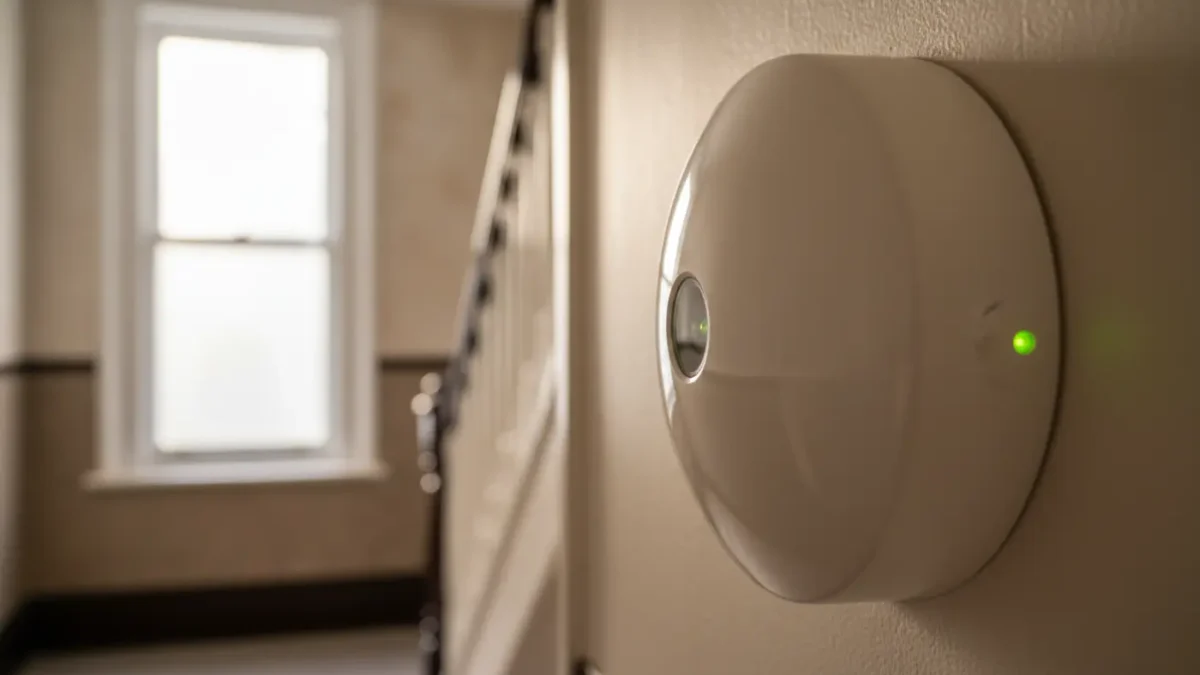
Manchester HMO landlords ask this all the time. Do you really need a formal fire risk assessment for licensing? Yes, you do. Not a quick note. Not a template downloaded at midnight. A proper, written, suitable and sufficient assessment that stands up to scrutiny.
Fire Risk Assessment For HMOs In Manchester And Why It Matters
Let’s be real. HMOs in Manchester sit under a spotlight. Multiple tenants. Shared kitchens. Older converted terraces. Higher risk. That means Greater Manchester Fire and Rescue Service and the council pay attention.
If you are applying for or renewing a licence, your fire risk assessment is central. At iSecurity Solutions fire safety services, we carry out PAS 79 aligned assessments built for HMO landlord licensing in Manchester. No fluff. Just compliance that holds up when officials start asking questions.
Why Manchester HMO Landlords Face Heightened Fire Risk Scrutiny
Because shared housing carries more risk. That is not drama. That is data.
Multiple unrelated occupants increase ignition sources. Kitchens get heavy use. Escape routes run through communal corridors and stairs. If one person blocks a hallway with a bike, everyone pays the price.
Greater Manchester Fire and Rescue Service enforces the Regulatory Reform Fire Safety Order. You can read their overview on GMFRS fire safety law guidance. The message is clear. The responsible person must assess risk and keep it under review.
If you think shared houses are treated like single lets, stop pretending. They are not.
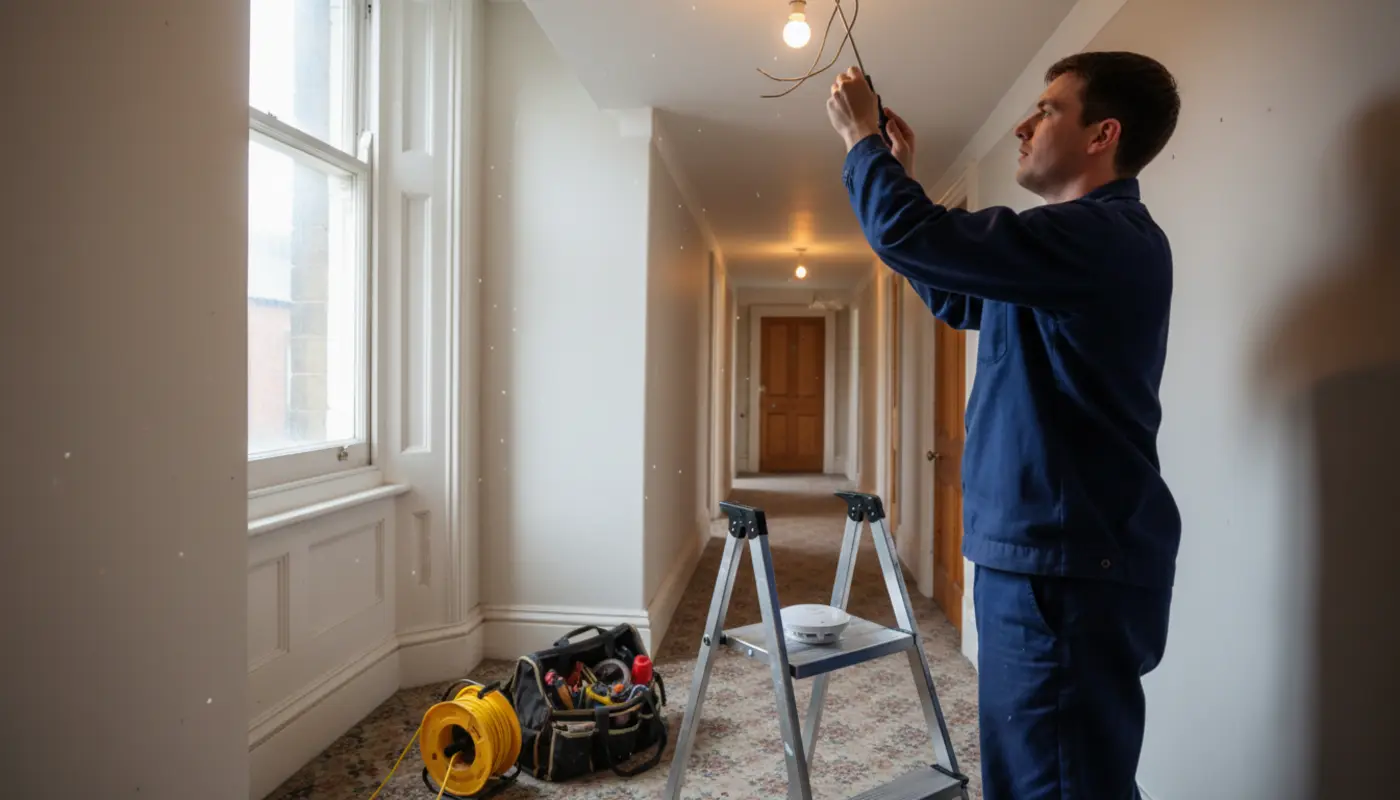
Mandatory Licensing And When Your Property Needs A Fire Assessment
Here is what is actually happening. If your property houses five or more people forming two or more households and they share facilities, you need a mandatory HMO licence. That is the Housing Act 2004.
Even if your property falls below that number, if there are common parts the Fire Safety Order still applies. That means a written fire risk assessment is required.
Manchester licensing officers expect your assessment to follow recognised methodology. PAS 79 is the benchmark. Our approach mirrors the structure explained in our fire risk assessment guidance for Manchester businesses, adapted for shared rental properties.
Cut the nonsense. If you are collecting rent from multiple tenants, you need documented fire safety compliance. Hoping nobody checks is not a strategy.
Regulatory Reform Fire Safety Order Duties For Landlords
Under the Fire Safety Order, the landlord or managing agent is usually the responsible person. That means you must:
- Identify fire hazards
- Assess people at risk
- Reduce or remove risks
- Record findings in writing
- Review regularly
- Inform residents
Since the 2023 updates, all fire risk assessments must be recorded in writing. You must also record who carried it out and what fire safety arrangements are in place.
A copy buried in your inbox does not count. It needs to be reviewed, updated and acted on. Paper compliance is how landlords end up explaining themselves in court.
How Greater Manchester Fire Service Inspects Licensed Properties
When GMFRS inspects, they do not just glance at your alarm panel and leave.
They review documents. That includes your written fire risk assessment, maintenance records and alarm test logs. If you do not know how often alarms should be tested, read our guide on fire alarm testing frequency. In shared houses, this is not optional admin.
They will check:
- Escape route protection
- Fire door compliance
- Alarm system coverage in line with BS 5839
- Emergency lighting provision under BS 5266
- Signage clarity
- Housekeeping standards
If serious failings exist, enforcement notices follow. In extreme cases, prosecution. Yes, that can affect your licence and your rental income. Losing months of income to save a few hundred pounds on compliance is not clever.
Escape Routes And Fire Doors Meeting Licence Conditions
Escape routes must provide a protected path from each bedroom to a final exit. That often means 30 minute fire resisting construction.
Bedroom doors are usually FD30 fire doors with intumescent strips and smoke seals. Self closers are common in licensable properties. If door wedges hold them open all day, come on. That defeats the point.
Signage depends on layout and risk. Larger properties may require directional fire exit signs. The assessment decides this, not guesswork and not what another landlord did.
All of this should be clearly referenced within a PAS 79 structured assessment so the council sees logic, not assumptions.
Detection And Alarm Grades What LD2 Actually Means
Let’s clear this up. LD2 is not random jargon. It comes from BS 5839 6, the British Standard for fire detection in domestic premises.
LD2 means detection in escape routes plus high risk rooms such as kitchens and living rooms. In many Manchester properties, this is the expected minimum.
Smaller properties may use Grade D1 systems with interlinked mains powered alarms and battery backup. Larger ones often require Grade A systems with a control panel and separate detectors.
If you want deeper detail on landlord alarm duties, see our dedicated HMO fire alarm guide. It explains licensing expectations clearly.
Stop cutting corners on detection. Early warning saves lives and protects your investment. That is reality.
Furniture And Furnishings Fire Safety Rules In Rented Rooms
The Furniture and Furnishings Fire Safety Regulations 1988 still apply. If you supply sofas, mattresses or upholstered chairs, they must meet fire resistance rules.
That means correct fillings and proper labelling. If there is no label and no proof, assume it is non compliant.
You are not responsible for tenant owned furniture. But you are responsible for what you provide. That old second hand sofa without tags is not worth risking your licence.
How Often Must Landlords Review Their Fire Risk Assessment
The law says keep it up to date. Here is the practical version.
Review at least once a year. Review sooner if there is a layout change, new occupancy profile, a fire incident or major works. In higher risk properties, a six month review cycle makes sense.
Record the review. Note actions taken. Keep evidence of completed works. When licensing officers ask, you should show a clear timeline without panic searching through emails.
If you provide emergency lighting, it must comply with BS 5266. That standard requires monthly function tests and a full annual duration test. Keep records. They support your assessment and show you are managing risk properly.
Consequences Of Non Compliance Fines Prosecution And Licence Loss
Here is the part many landlords ignore.
Failure to carry out a suitable and sufficient fire risk assessment can lead to enforcement notices or prosecution under the Fire Safety Order. Courts can impose unlimited fines. In serious cases, imprisonment.
The council can refuse to grant, renew or can revoke a licence if fire safety standards are not met. No licence means no lawful renting. No lawful renting means no income. That escalates fast.
You saved a few hundred pounds on a proper assessment. Now you face legal fees and lost rent. Not exactly a smart plan.
Choosing A Competent Fire Risk Assessor In Manchester
Not all assessors are equal. Some produce generic tick box reports that barely reflect the building.
A competent assessor should:
- Understand PAS 79 methodology
- Know Manchester licensing expectations
- Explain findings clearly
- Carry professional indemnity insurance
- Provide prioritised action plans
Look for experience with shared residential properties, not just offices or warehouses. Different risk. Different behaviour. Different problems.
At iSecurity Solutions, we tailor each Manchester landlord fire risk assessment to the real layout and occupancy. No recycled templates. Just practical compliance that licensing officers recognise.
iSecurity Solutions is a trusted UK provider of commercial and domestic security systems. We help homes and businesses stay protected around the clock. From CCTV and intruder alarms to fire safety, access control and construction site monitoring, our expert team designs reliable, tailored solutions backed by responsive service and modern remotely monitored technology. Whether you secure one property or manage multiple sites, we deliver the equipment, expertise and peace of mind to keep what matters safe.